The AI Integration Paradox: From Kernel Debugging to Digital Companionship
Today’s AI headlines highlight a fascinating, if slightly unsettling, transition in the technology’s lifecycle. We are moving away from the “novelty” phase where AI is a parlor trick and into a reality where it is being woven into the very fabric of our operating systems, our creative industries, and even our interpersonal relationships. Whether it is finding bugs in the Linux kernel or replacing human connection for teenagers, AI is becoming less of a tool and more of an environment.
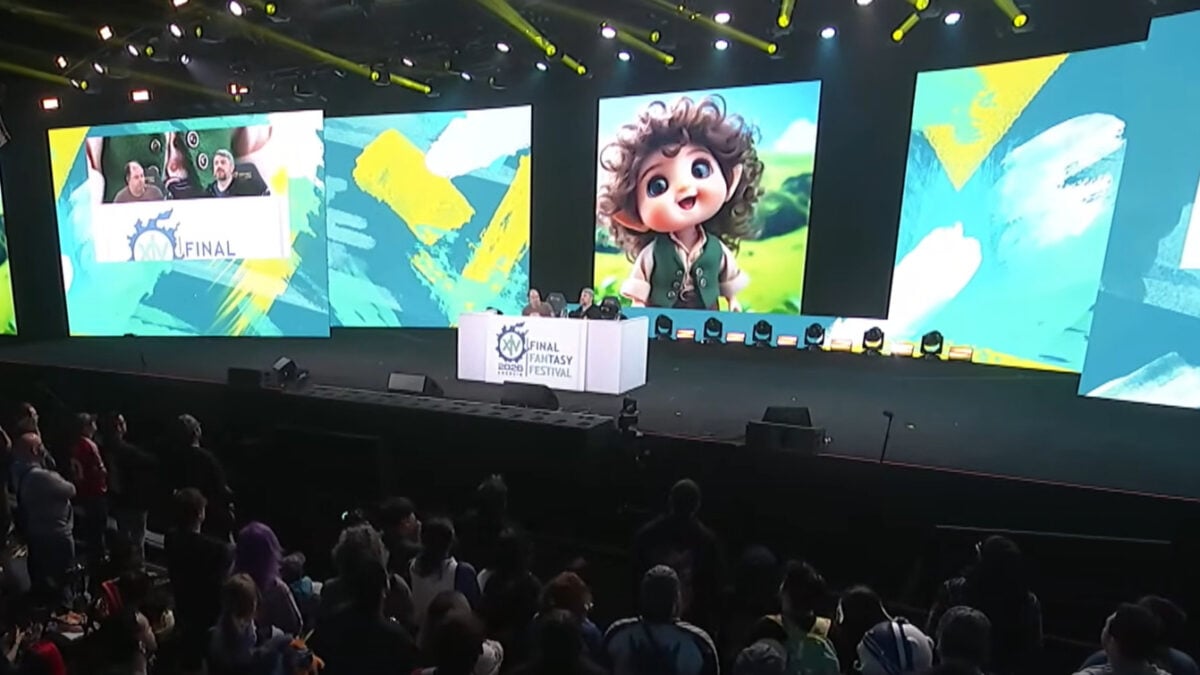
The tension between corporate efficiency and creative soul took center stage this weekend at the Final Fantasy XIV Fan Festival. Long-time Square Enix localizer Michael-Christopher Koji Fox drew significant criticism after revealing that the company’s leadership is keen on incorporating AI tools into their daily work. The backlash from the community underscores a growing rift: while executives see AI as a way to streamline massive localization and art tasks, fans often view it as a dilution of the “human touch” that makes these fictional worlds resonate. It is a reminder that in the creative arts, efficiency isn’t always the metric that matters most to the audience.
While the gaming world debates the ethics of AI art, the world of software infrastructure is seeing the technology do some of its most productive, “invisible” work. A new local LLM-based bot, running on Framework desktops powered by AMD’s Ryzen AI Max hardware, has begun uncovering bugs within the Linux kernel. This is a massive win for the “Local AI” movement. Instead of sending sensitive code to a cloud-based server, developers are using high-end consumer hardware to run sophisticated fuzzing tools that make the backbone of the internet more secure. It’s a trend we’re seeing in consumer hardware too, with the upcoming Samsung Galaxy Watch Ultra 2 reportedly leaning heavily into AI upgrades to differentiate itself in a crowded wearable market.
Behind the scenes at the world’s largest tech companies, the strategy is shifting from “shouting about AI” to “integrating AI.” Apple’s leadership transition is a prime example; as Tim Cook prepares his successor John Ternus, a major part of the internal roadmap involves a heavy focus on AI and services. Interestingly, Microsoft seems to be taking the opposite approach with its branding. In a recent update to Notepad for Windows 11, Microsoft removed the “Copilot” branding, opting for a more generic “AI” label. It suggests that the company realizes users might find constant “Copilot” entry points intrusive, and is now trying to make the AI features feel like a native, quiet part of the app rather than a loud, third-party assistant.
However, the most sobering news of the day involves the social impact of these technologies on the next generation. A new survey of Gen Alpha boys (ages 12 to 16) found a disturbing trend: many are preferring AI “girlfriends” or chatbots over real-life social interactions. This highlights the double-edged sword of LLM sophistication. As these bots become more empathetic and available, they risk becoming a path of least resistance for a generation already struggling with a loneliness epidemic. It raises a difficult question for the industry: just because we can build an AI that perfectly mimics human companionship, should we?
Today’s developments show that AI is no longer a distant promise; it is a localized tool in our PCs, a controversial colleague in our studios, and a complicated presence in our social lives. The takeaway is clear: as AI becomes more capable of handling our technical burdens, we must be increasingly vigilant about what we delegate to it—especially when it comes to the things that make us human.